
Ask most parents whether they read with their child, and the answer is almost always yes. Ask them whether it feels like one more task on an already long evening list, and the honest answer often shifts. Somewhere between wanting to build a reading habit and actually fitting it into dinner, bath, and bedtime, story time can start to feel less like connection and more like a box to tick.
The good news is that supporting reading at home doesn’t require a strict routine, a reading log, or nightly pressure. Preschoolers build literacy skills best when reading feels like something warm and shared, not something assigned. Here are five simple ways to build that habit without it ever feeling like homework.
1. Let Them Pick the Same Book Again
If a child wants the same storybook for the fortieth night in a row, resist the urge to introduce something new “for variety.” Repetition is exactly how preschoolers absorb vocabulary, sentence patterns, and story structure – each re-read, they’re noticing something they missed before. Letting them choose, even the same book on repeat, keeps reading feeling like their activity rather than a parent-led lesson.
2. Read During Ordinary Moments, Not Just Bedtime
Story time doesn’t have to be confined to the last ten minutes before lights out, when everyone is tired and rushing. A picture book during breakfast, a few pages while waiting at a clinic, or a story read aloud during a lazy weekend afternoon all count. Spreading reading across the day, in small doses, removes the pressure of “the one slot it has to happen in” and makes it feel like a natural part of life rather than a scheduled task.
3. Talk About the Pictures, Not Just the Words
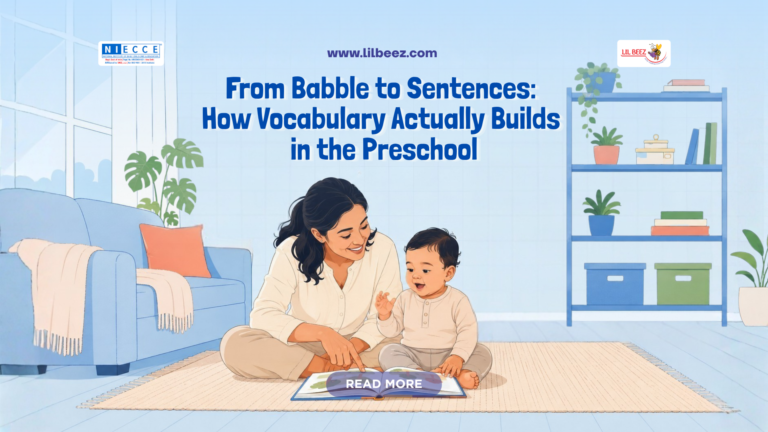
Before a child can follow a full storyline, they’re already building comprehension by studying illustrations. Pause on a page and ask, “what do you think is happening here?” or “why does the character look worried?” This turns reading into a conversation instead of passive listening, and it works even with books a child hasn’t technically learned to “read” yet.
4. Let Them See You Reading for Yourself
Children notice what adults choose to do in their own downtime. A parent who reads a newspaper, a novel, or even a recipe out loud while cooking is quietly showing that reading is something people do because they want to, not just something children are told to do. This modelling often does more for long-term reading attitudes than any structured lesson.
5. Keep Books Visible and Easy to Reach
A child is far more likely to pick up a book on their own if it’s sitting at eye level on a low shelf or scattered on a play mat, rather than tucked away on a high shelf reserved for “reading time.” Rotating a small selection of books within easy reach keeps the choice in the child’s hands, which builds ownership over reading rather than dependence on being prompted.
Why This Approach Works Better Than a Schedule
None of these ideas involve a chart, a timer, or a nightly requirement, and that’s intentional. Preschoolers build strong reading habits the same way they build every other skill at this age – through repeated, low-pressure exposure that feels like their own choice rather than an obligation. A child who associates books with warmth and curiosity carries that association into every school year that follows.
For preschool teachers and parents working through NEP-aligned early literacy milestones, these small daily moments often matter more than any single “reading session.” A book left open on a play mat can do more than a strictly enforced twenty minutes ever will.
At LilBeez, our storybooks and activity-based Smart Notebooks are designed to make reading feel like discovery rather than instruction, building comprehension and vocabulary gradually through stories children actually want to revisit. If you’re a preschool educator looking to strengthen early literacy habits both in the classroom and at home, explore our learning kits or reach out to our team to see how LilBeez supports every child’s reading journey.